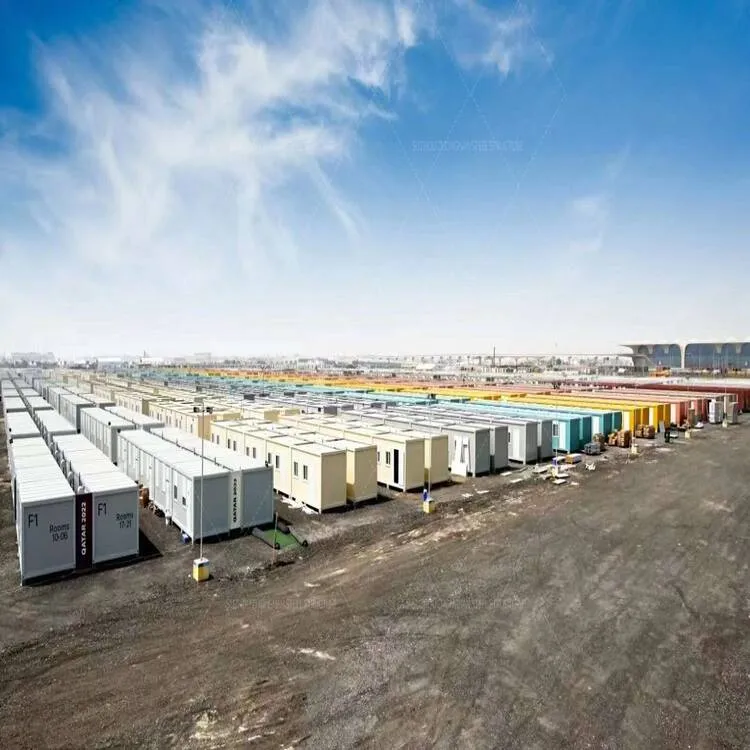
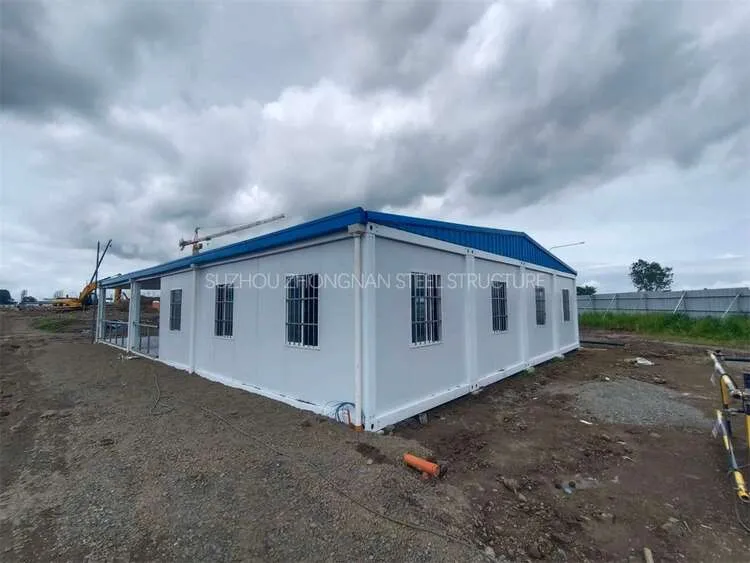
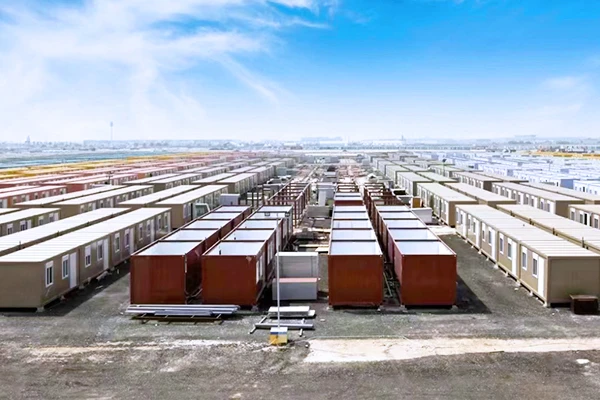
container construction project malaysia
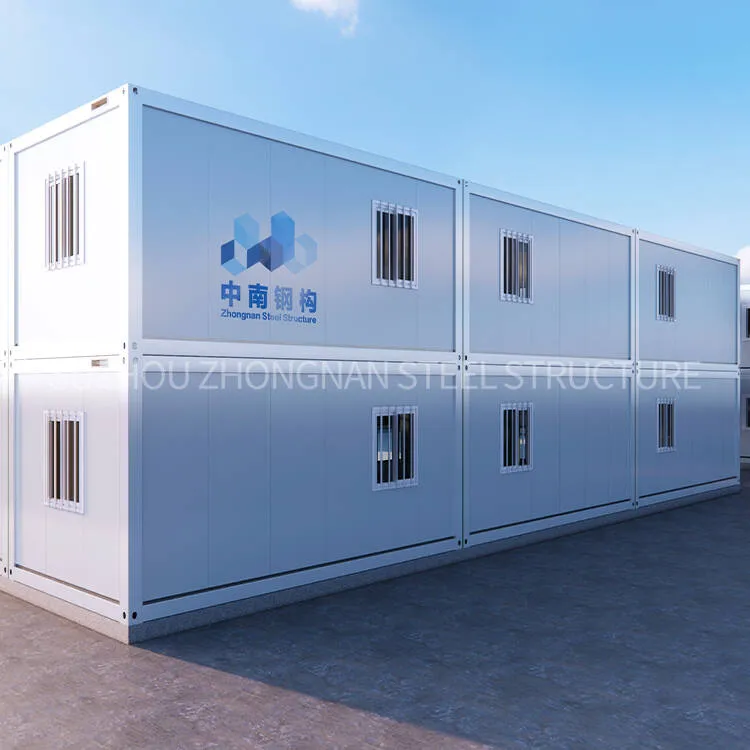
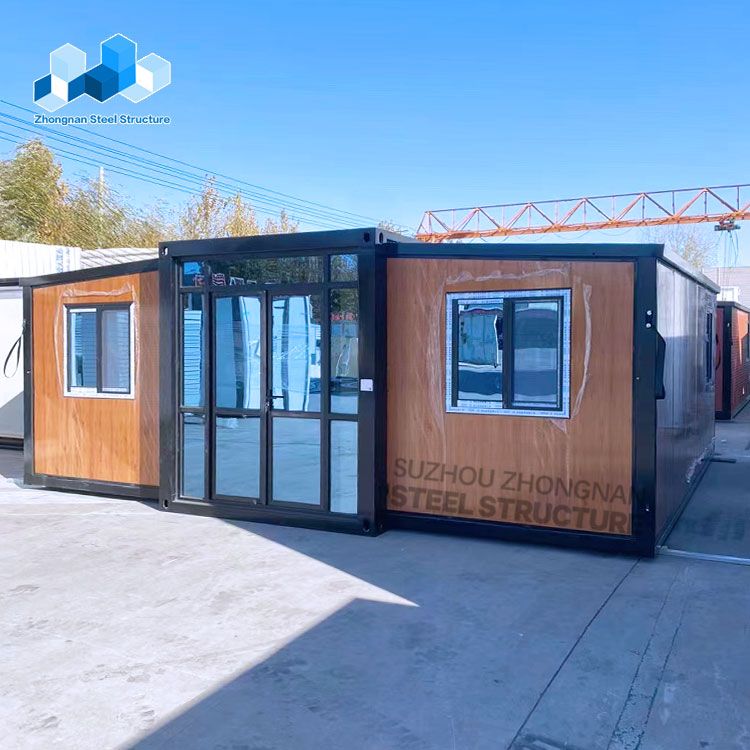
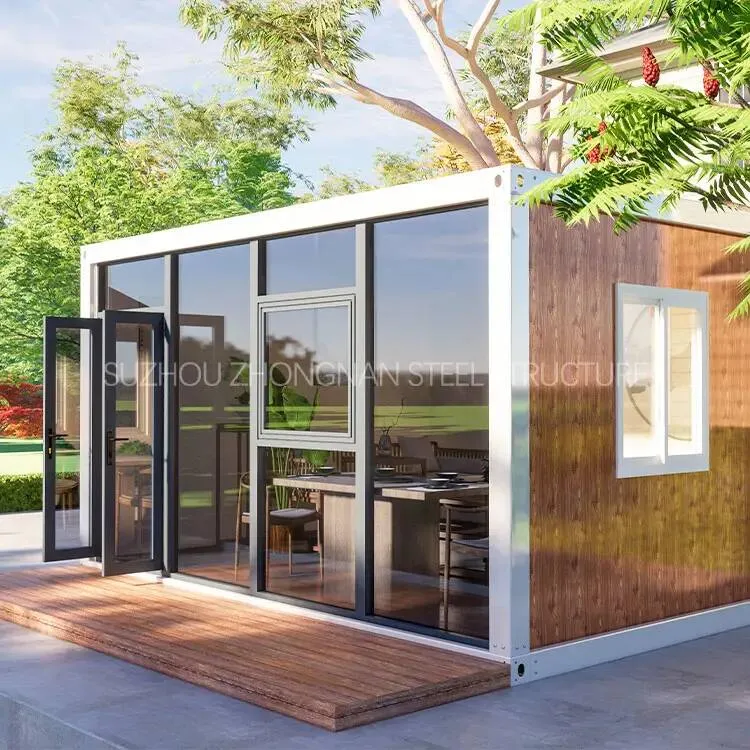
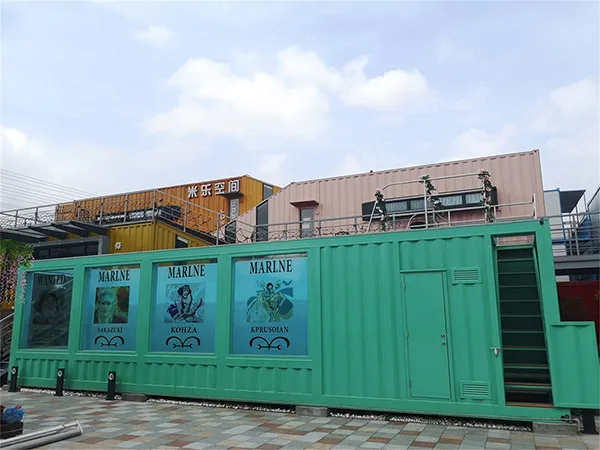
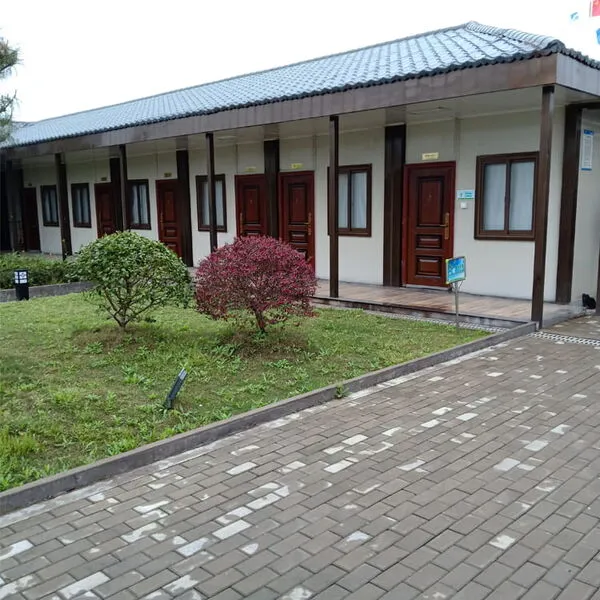
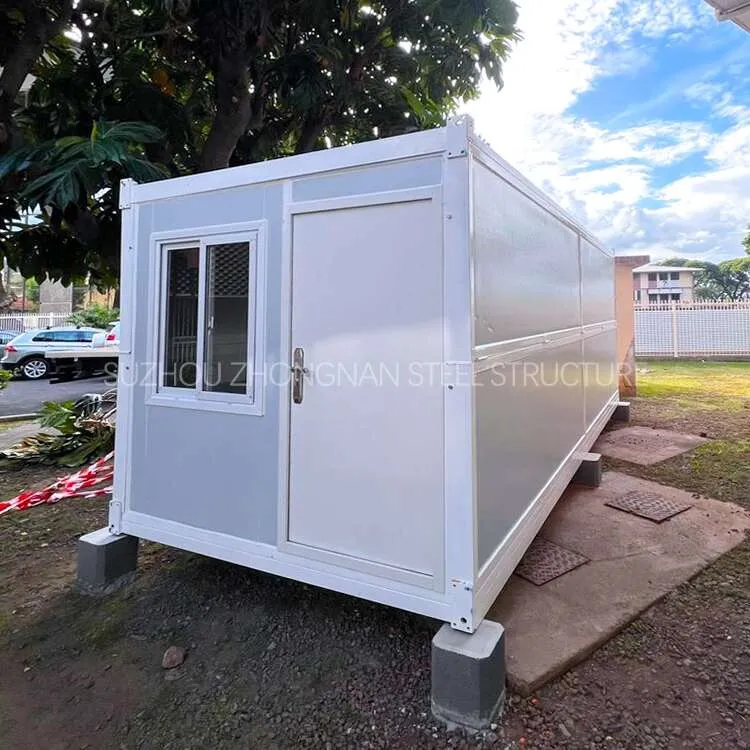
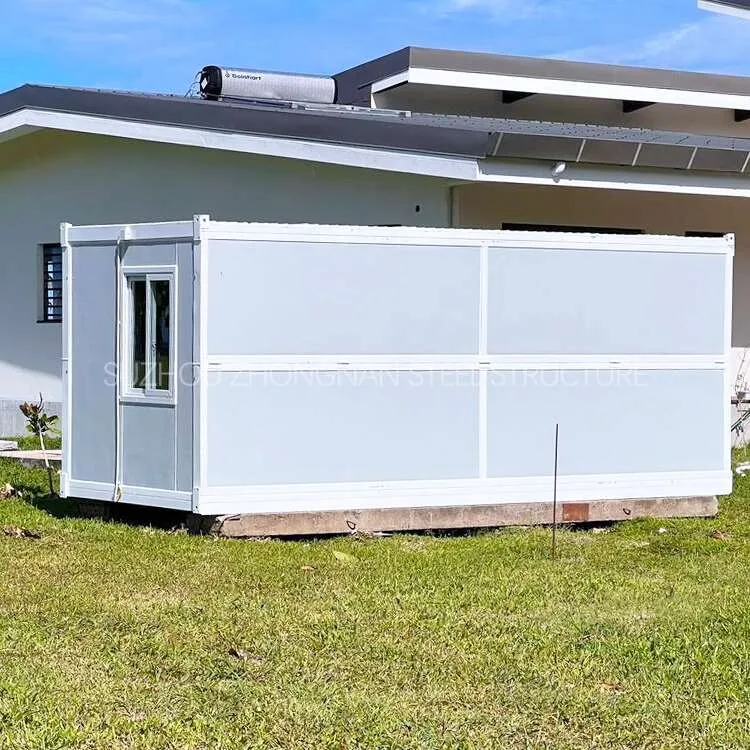
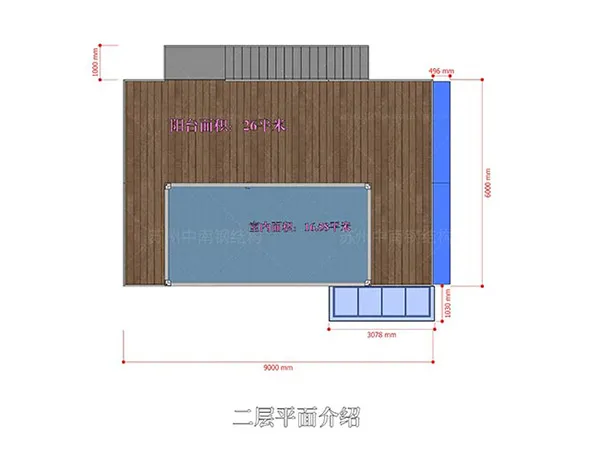
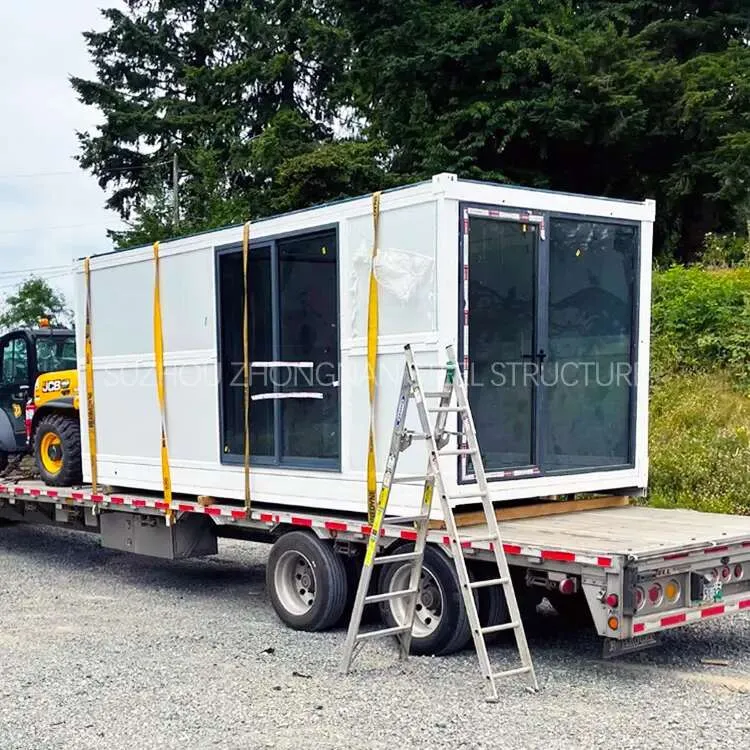
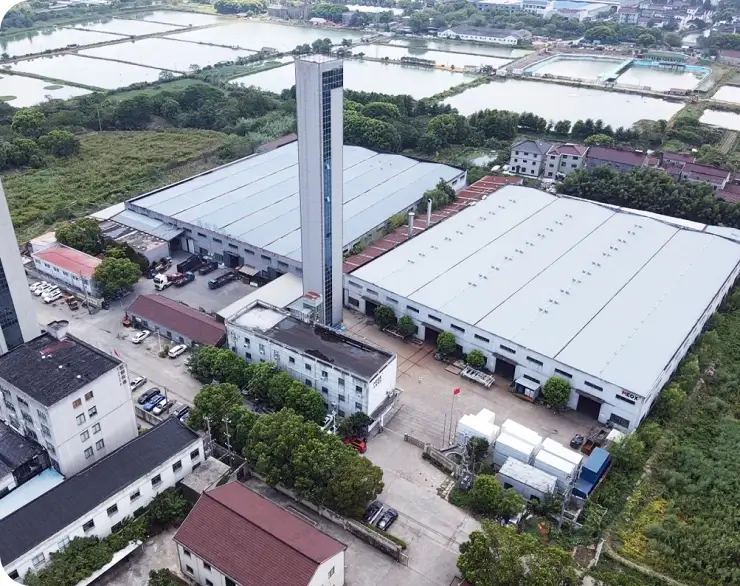
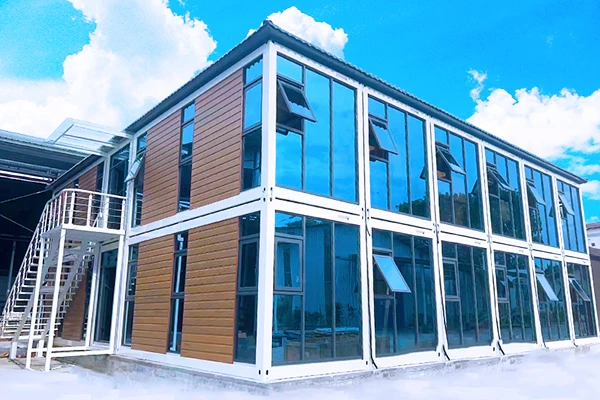
A field report on an assemble container house: fast, robust, and surprisingly refined If you’re scouting for modular building solutions , here’s a candid take from recent site visits and a few too many coffees with project managers. The assemble container house coming out of Fanxiang Village, Taoyuan Town, Wujiang District, Suzhou City, China, has been quietly showing up on jobsites where speed and predictability matter more than flashy brochures. Industry trend check: off-site construction is no longer a novelty. Clients want 30–50% quicker delivery, cleaner sites, fewer surprises. And, to be honest, the bar for finish quality has climbed. This unit leans into that: steel where it counts, fire-safe panels, and a wiring kit that won’t give your electrician a headache. Many customers say the install feels closer to furniture assembly than traditional GC work—still construction, just calmer. What it is (and how it’s built) Product: assemble container house. Structure: galvanized steel frame with sandwich wall/roof panels (rock wool or PIR). Assembly: bolted, not welded on site. Real-world use may vary, of course, but the frame tolerances were tight in our checks. Key specifications Parameter Typical value (≈) External size ≈ 6055 × 2435 × 2896 mm (20 ft HC footprint) Frame Q235B galvanized steel, 2.3–3.0 mm; ISO 12944 corrosion system Panels Rock wool or PIR 50/75/100 mm; GB 8624 A1 (rock wool) Thermal U-value ≈ 0.28–0.45 W/m²·K (depends on thickness) Fire performance ASTM E84 Class A; up to EI60 configurations (project-specific) Wind/snow Wind ≈ 0.6–0.75 kPa; Snow ≈ 0.75–1.5 kN/m² with proper anchoring Floor load 2.0–3.5 kN/m² Stacking Up to 3 stories (engineer review required) Electrical IEC compliant kits; CN/EU/US socket options Service life ≈ 15–25 years with maintenance Process flow (what happens before your crane shows up) Design & load calc: per IBC/GB local code; wind, snow, seismic checks. Materials: GB/T 2518 galvanized coil; EN 1090-compliant fabrication; rock wool or PIR cores. Fabrication: CNC cutting, cold-forming, hot-dip or zinc-rich system; powder coat when specified. Pre-assembly: door/window openings, MEP conduits, floor cassette. QC & testing: torque checks; water-spray roof test ≈ 30–40 mm/h for 2 h; insulation and continuity tests; visual weld inspection (if any). Packing & logistics: flat-pack kits to reduce freight; site manual included. Where it’s landing (and why) Use cases I keep seeing: construction camps, mining bunkhouses, school annexes, pop-up clinics, retail booths, and disaster-relief housing. The advantage? Predictable cost, week-scale installs, and less site disruption. It seems that clients value how these modular building solutions can be reconfigured after the initial project wraps. Anecdotes from the field - Coastal clinic: units tied to a concrete slab with chemical anchors, rode out ≈ 130 km/h gusts; minor sealant touch-ups only. - Mining camp in winter: 75 mm PIR held indoor temps steady with modest heating. “Quicker than prefab cabins we used before,” one site lead told me. Vendors at a glance (subjective but useful) Vendor Origin Lead time (≈) Customization Certs Price/unit FOB (≈) Warranty ZN-House assemble container house Suzhou, China 3–6 weeks High (panels, MEP, colors) ISO 9001; EN 1090 components $2,800–$5,200 1–3 years EU Modular Vendor A Central Europe 6–10 weeks Medium–High CE; EN 1090 $4,500–$7,000 2–5 years US Modular Vendor B USA 5–9 weeks Medium ICC/IBC; UL assemblies $6,000–$9,000 2–3 years Testing, standards, and the fine print Fire testing aligns with ASTM E84 (Class A); structural calcs reference IBC and local GB codes; corrosion systems follow ISO 12944. Factory process is typically ISO 9001 controlled. Real-world results hinge on anchoring and detailing—don’t skip the site-specific engineer review, especially for multi-stack or cyclone sites. That’s where modular building solutions succeed or fail. Why teams pick it Speed: flat-pack to finished in days, not months. Predictability: fewer trades, fewer weather delays. Adaptability: move, stack, or re-skin as needs change. Cost control: transparent bill of materials, scalable freight. Final thought: for teams under pressure to deliver fast, tidy spaces, these modular building solutions hit that practical sweet spot—without pretending to be luxury condos. And that honesty, oddly enough, is what wins bids. International Building Code (ICC IBC 2018/2021) – Structural and fire provisions. ASTM E84 – Standard Test Method for Surface Burning Characteristics of Building Materials. ASTM E119 – Standard Test Methods for Fire Tests of Building Construction and Materials. ISO 12944 – Corrosion protection of steel structures by protective paint systems. EN 1090 – Execution of steel structures and aluminium structures. GB 8624-2012 – Classification for burning behavior of building materials and products.





 For Governments & Enterprises
 For Public Initiatives
 For Property Developers